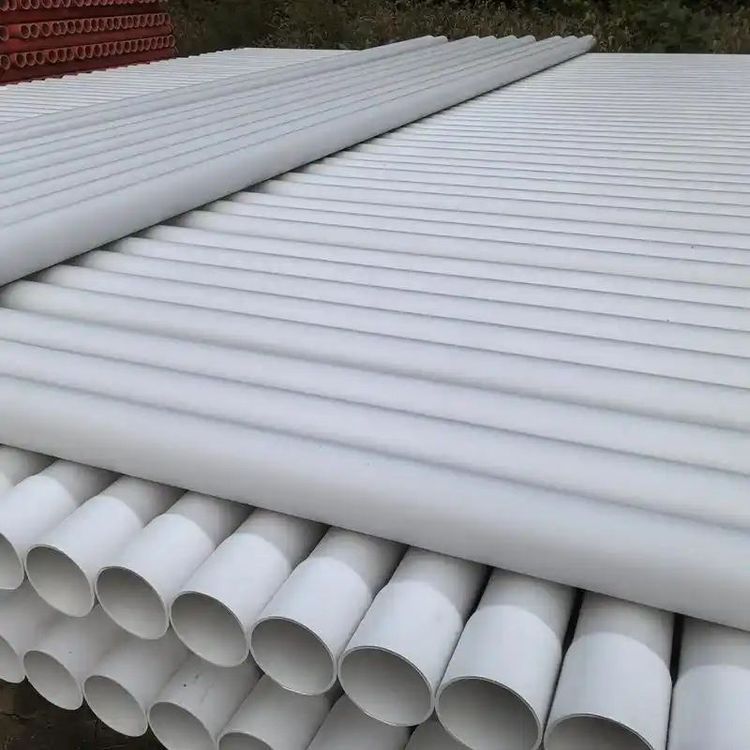
Nylon (polyamide/PA) pipe is a thermoplastic engineering plastic pipe made through precision extrusion technology. It is known for its excellent flexibility, wear resistance, and oil and chemical resistance, while also possessing the characteristics of both rigidity and flexibility - it can bend and distribute pipes like rubber pipes, and maintain its shape like metal pipes, making it an ideal alternative to metal pipes and rubber pipes in the fields of aerodynamics and fluid transportation
Extraction of core advantages of Nylon pipes:
⚙️ Combining rigidity and flexibility: It is both soft and easy to bend (for easy installation), and has a certain degree of rigidity (for shaping), making the pipe flexible
🛡️ Outstanding wear resistance: The wear resistance far exceeds that of rubber and metal pipes, especially suitable for harsh environments with sand, stones, and iron filings
🧪 Excellent oil/chemical resistance: It has excellent resistance to fuels, lubricants, hydrocarbon solvents, etc., and is the first choice for the automotive and machinery industries
📏 Smooth surface: Smooth inner wall, low fluid resistance, less prone to scaling and rusting
⚠️ Core weakness: Strong moisture absorption, humidity affects dimensional stability; Not resistant to strong acids/alkalis, please pay attention to the usage environment
Nylon pipe selection suggestions:
Preferred scenarios for Nylon: Pneumatic systems, fuel delivery, lubrication systems - with requirements for flexibility, wear resistance, oil resistance, and working temperature not exceeding 100 ℃. Nylon is the most cost-effective choice
Scenario for choosing PEI/PEEK: It needs to withstand high temperatures exceeding 150 ℃ or has top-level requirements for chemical resistance
Scenario for selecting PPSU: Medical/food applications that require high-temperature steam sterilization
⚙️ Nylon pipe processing and usage instructions
Pay attention to moisture absorption: Nylon pipes have strong moisture absorption, and long-term storage in a humid environment may cause size changes and performance degradation. They should be stored in a dry environment.
Connection method: Nylon tube can be used with sleeve type connectors, quick change connectors, and bamboo joint connectors. Installation does not require special tools and is easy to operate.
UV resistance: Nylon pipes have a certain degree of UV aging resistance and can be used in outdoor environments, but it is recommended to choose black specifications for long-term exposure to sunlight.
Avoid strong acids and alkalis: Nylon tubes are not resistant to strong acids (such as concentrated sulfuric acid, concentrated nitric acid) and alkalis, and should be used in environments that do not come into contact with them.
Bending radius: When laying pipes, attention should be paid to the minimum bending radius requirement (usually 15-30 times the outer diameter). Overly small bending may cause the pipe to bend or be damaged